Where Washington County Works: The Job Base for Buyers

In this post
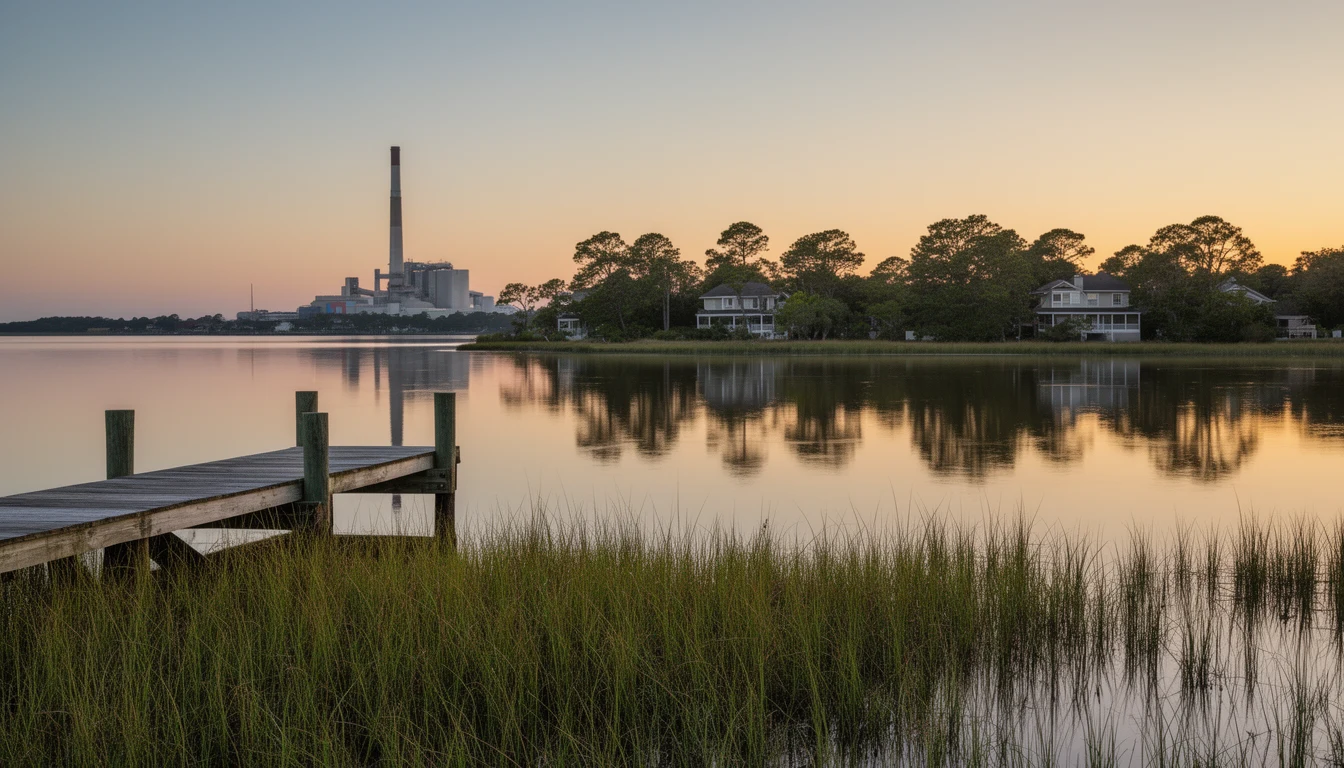
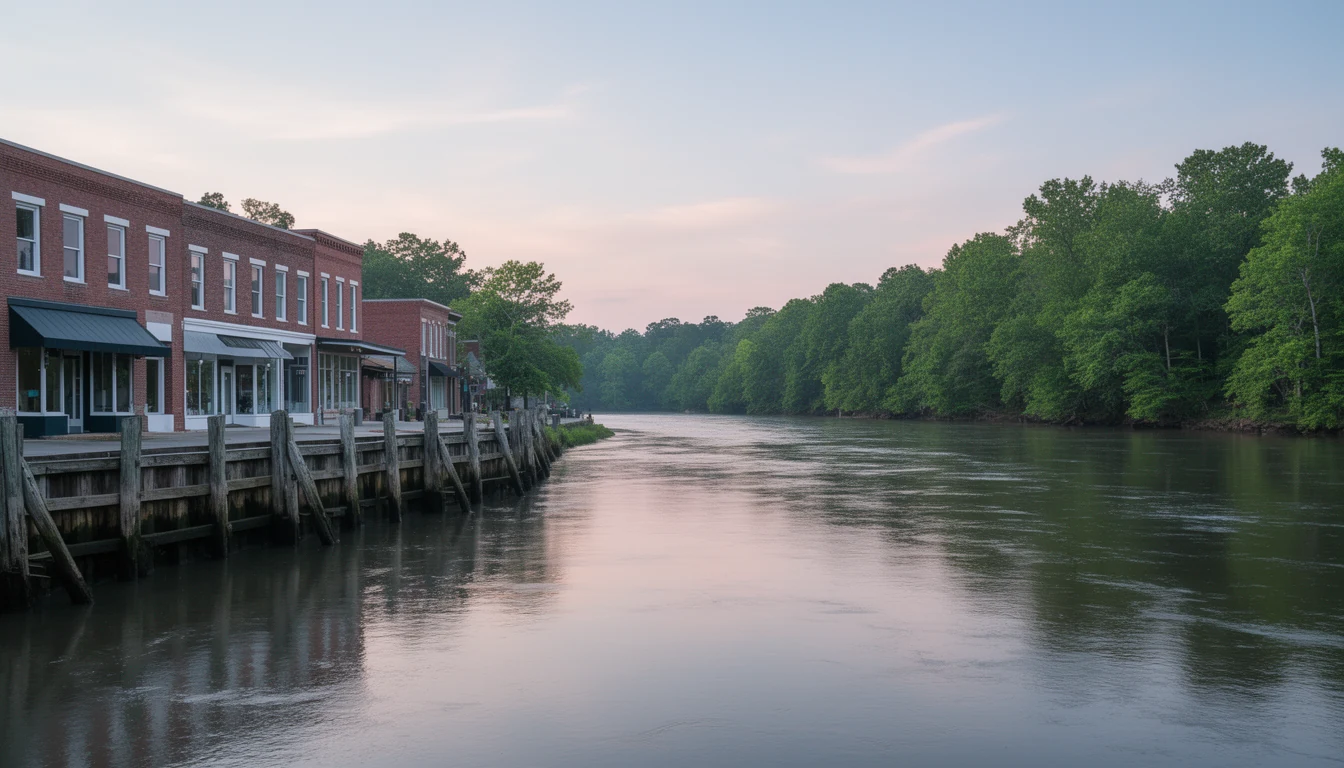
The log trucks tell the story before you ever see the mill. They roll through Plymouth on US 64 at all hours, loads of pine headed east to the Domtar plant on the river, empties headed back into the county’s timberland. If you’re thinking about buying here, the jobs behind those trucks are the first thing to understand. They are the reason the town exists in its modern form, and they are a big part of why the prices look the way they do.
The Mill: 351 Jobs and the Floor Under the County
Domtar’s Plymouth mill makes softwood fluff pulp: the absorbent material inside diapers and adult hygiene products sold worldwide. The company’s own published figures for the site put it at 351 employees, roughly 390,000 air-dry metric tonnes of annual capacity, and more than $800 million in economic impact. The operation has sat on the same riverfront site since 1937, when the North Carolina Pulp Co. opened it. The ownership chain runs Weyerhaeuser from 1957 to 2007, Domtar after that, and Paper Excellence since November 2021. It is a large, privately held, global company. There is no second employer standing behind it.
That makes the mill the economic floor under the whole county. It is a big piece of the tax base that carries the schools and the county budget. It is also a pulp mill, with everything that phrase means: a kraft odor that comes and goes with the wind, log trucks on the highways at odd hours, and industrial noise and light if you are close to the site. The honest way to read that trade is that the same mill holding up the local economy is the reason some buyers pass on Plymouth, and their passing is part of why you can buy riverfront here at the price you can. You are being paid to accept the mill. Plenty of mill employees live here contentedly and will tell you they barely notice it.
The Public-Sector Base: Schools and County Government
Behind the mill, the next tier of employment is government and schools, and it is steadier than people expect. Washington County Schools is one of the smallest districts in North Carolina, roughly a thousand students across five schools: Pines Elementary, Creswell Elementary, Washington County Middle, Washington County High in Plymouth, and an early college program. Creswell High graduated its last class in 2018, folding into the county high school, which now enrolls about 450 students. A district that small is still a real employer of teachers, bus drivers, and staff, and county government adds another layer of public jobs on top of it. These are not glamorous jobs, but they do not disappear when a commodity price dips.
Healthcare Jobs, and the Drive You Make for Care
The hospital is both an employer and the county’s biggest service gap, and buyers should hear both halves. Washington Regional Medical Center is a 25-bed critical-access hospital with a 24-hour emergency department, the only hospital in the county, owned since 2019 by Affinity Health Partners. Its recent history is genuinely turbulent: two Chapter 11 filings in five years, the most recent in late 2024. As of the most recent reporting I would rely on, the ER is running and busier than ever, in part because Martin General Hospital in Williamston closed in 2023. Surgical services are not currently offered there.
For anything beyond emergency care, you drive. ECU Health runs the regional network: Greenville is about an hour for the flagship, Windsor about 30 minutes across the river, Edenton about 40, and Washington about 40. If you are retiring here or managing a chronic condition, map your specialists before you commit. Routine primary care exists locally. Everything serious is a trip.

The Working Land and the River Economy
Then there are the jobs that do not show up in a headcount: agriculture and timber across the flat coastal-plain farmland, and the seasonal river economy. The spring striped bass run has drawn anglers to the Roanoke for generations, though right now the fishery is under a harvest closure. The NC Wildlife Resources Commission closed the harvest season in 2025 and suspended hook-and-line harvest again in March 2026 after eight consecutive years of poor spawning, so the run is a catch-and-release fishery for the foreseeable future. The Roanoke River State Trail, a full state trail since September 2024, runs about 215 miles down to the Albemarle Sound with 20 paddle-in camping platforms managed by Roanoke River Partners. The National Black Bear Festival fills Plymouth’s waterfront the first weekend of June every year, and the Pungo Unit of Pocosin Lakes National Wildlife Refuge draws wildlife photographers in winter for tundra swans and snow geese. All of it is real. All of it is seasonal and thin: the kind of economy that supports guide services, a few restaurants, and festival-weekend hiring, not a suburban job base.
What the Job Base Means for Your Resale Math
Here is the honest version of what all this means for buying. Washington County is a Tier 1 county in the NC Department of Commerce’s 2026 rankings, the state’s most economically distressed tier, ranked 6th of 100, with a median household income of $47,239 and a population that has been losing people for decades. A job base this concentrated means your resale buyer pool is smaller and your appreciation is not guaranteed by growth. Anyone who tells you otherwise is selling you something.
But the same thinness that limits appreciation is what makes the entry price possible, and that changes the risk math. If you buy a riverfront house here at a price that already assumes a thin economy, you are not depending on a turnaround you cannot control. You are buying the lifestyle at the price, and the low basis is your downside protection. What you should not do is buy here betting that the mill grows or that the town turns around on a schedule. Buy because the river, the history, and the slow pace are what you actually want, and let the low cost of entry be the bonus it is.
The Bottom Line
Every economy is a trade. Plymouth’s is a pulp mill, a small school district, a stressed but running hospital, and a river that brings people in seasonally. That combination keeps prices low and keeps life slow, and it asks you to plan: know your hospital drive, know your internet, and know that your buyer pool will be thin when you sell. If you go in with open eyes, it is one of the more honest river-town deals on the East Coast.
Reach out if you have questions. Happy reading!
Keep reading
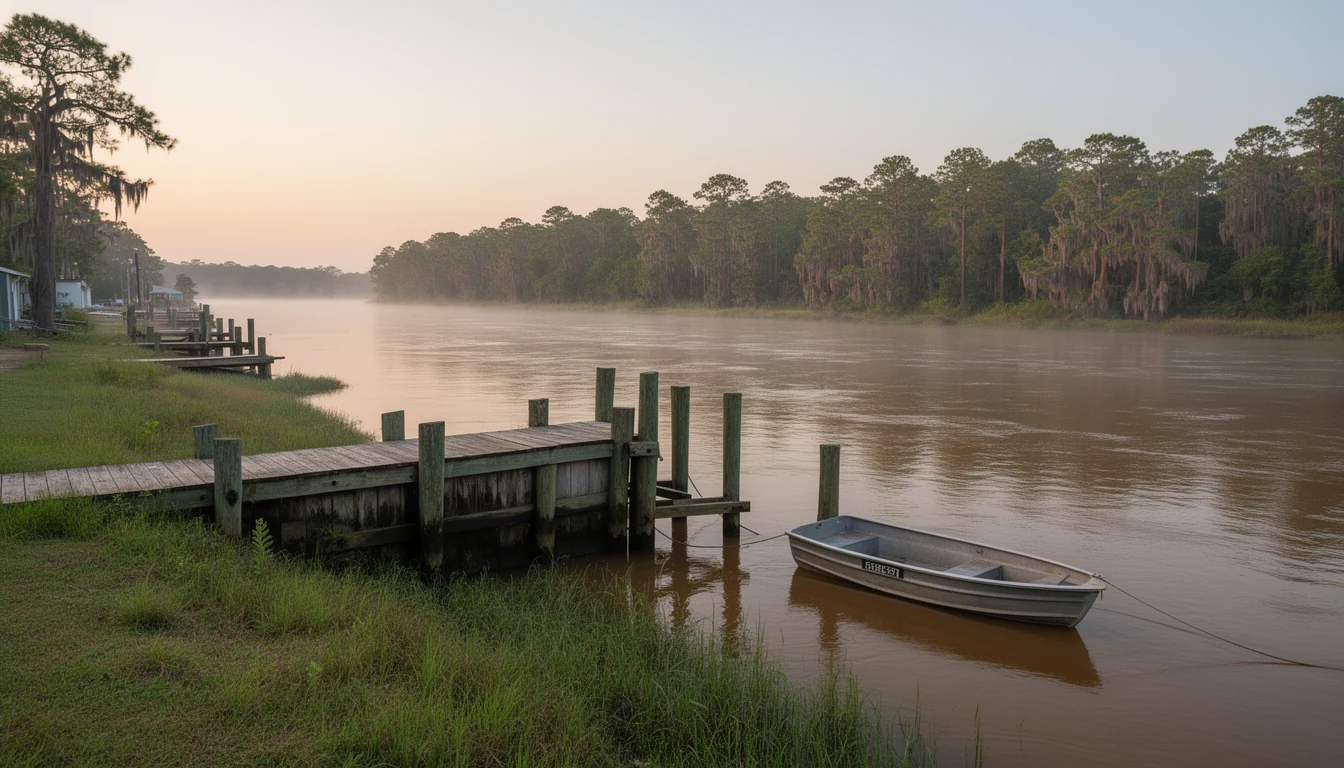
10 Questions Before Buying Riverfront on the Roanoke
Ten questions to settle before you buy Roanoke River frontage near Plymouth, NC: flood zone, elevation certificate, dock permits, septic, and insurance.
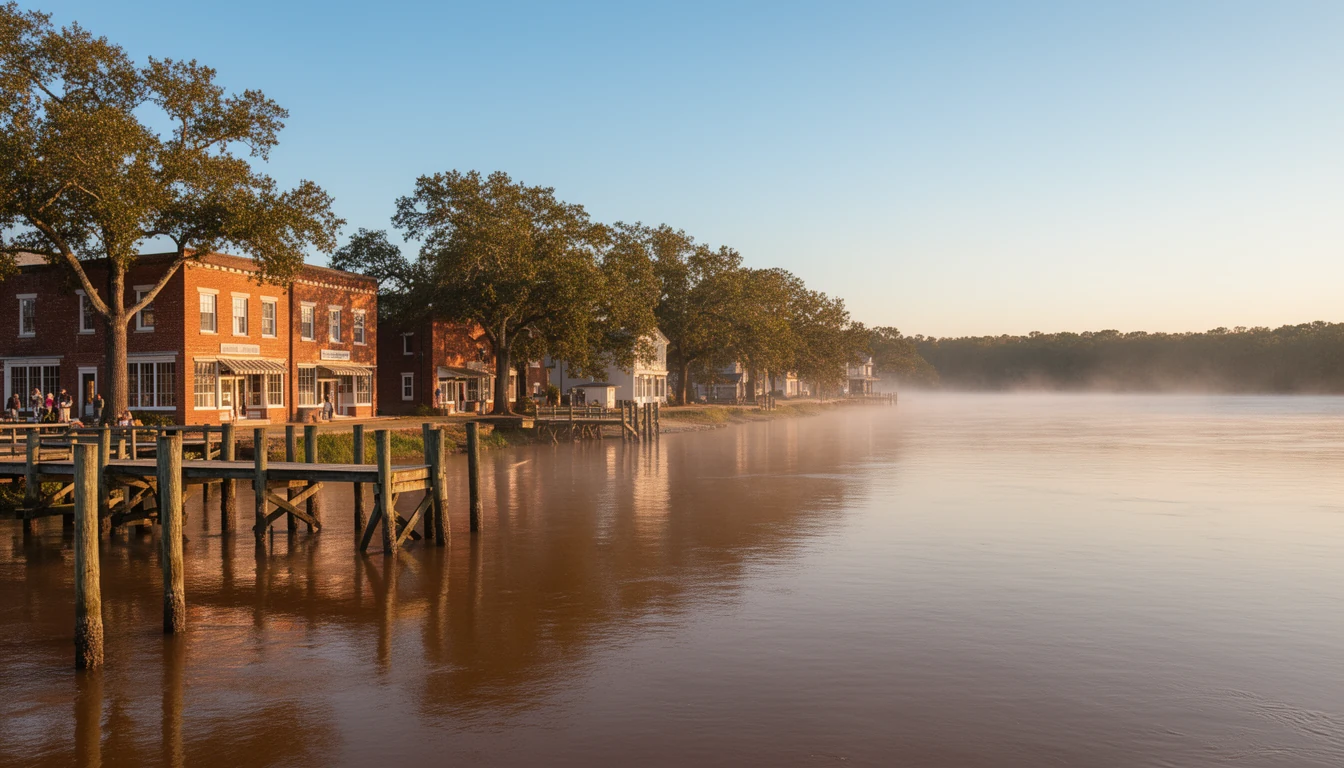
Washington County's Seat: Why Plymouth, Not Roper
How Washington County, NC got its shape: the 1799 split from Tyrrell, the county seat's move off Lee's Mill, and what the lines mean for buyers today.
7 Drive-Time Checks Before Buying in Plymouth, NC
Seven drives that decide what living in Plymouth costs you in road time, with every mile and minute routed on real roads in Washington County.