
ActiveHistoric
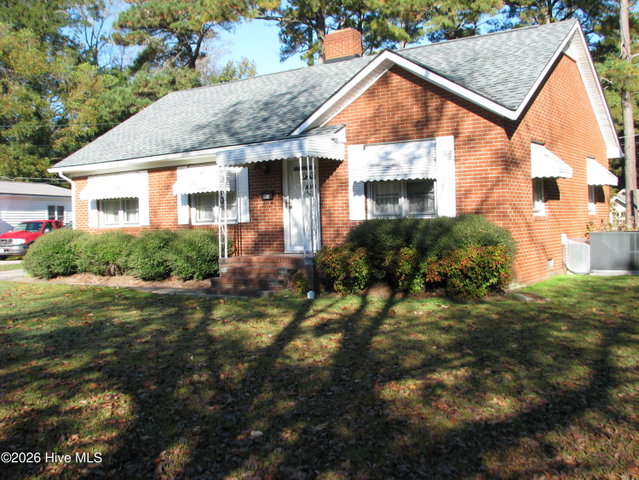
+29 photos$142,800
$102/sq ft
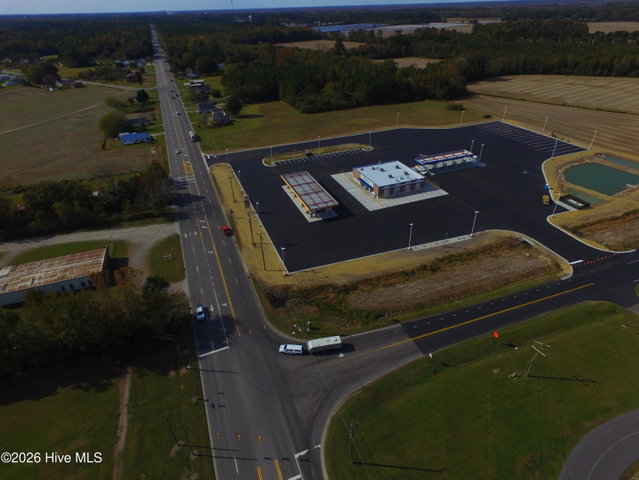
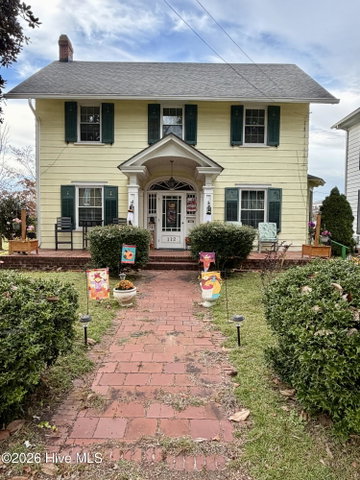
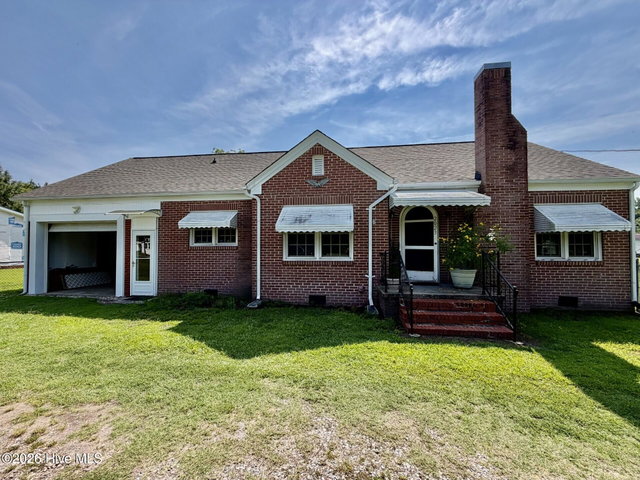
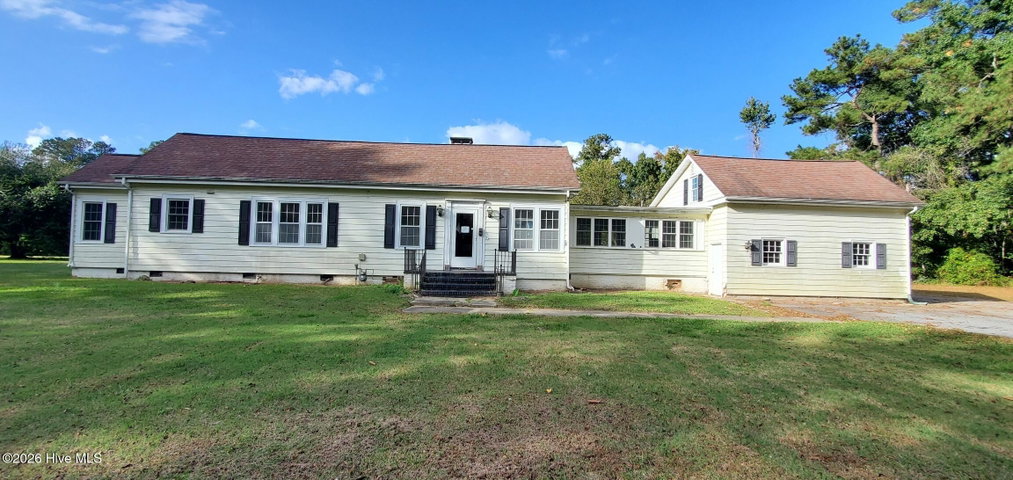
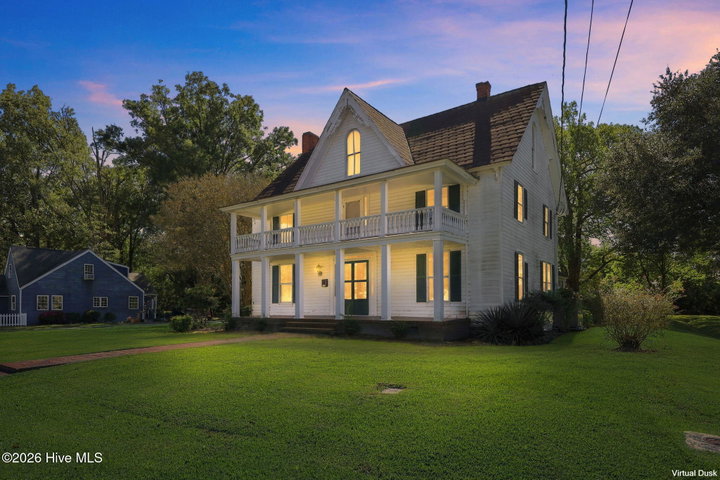
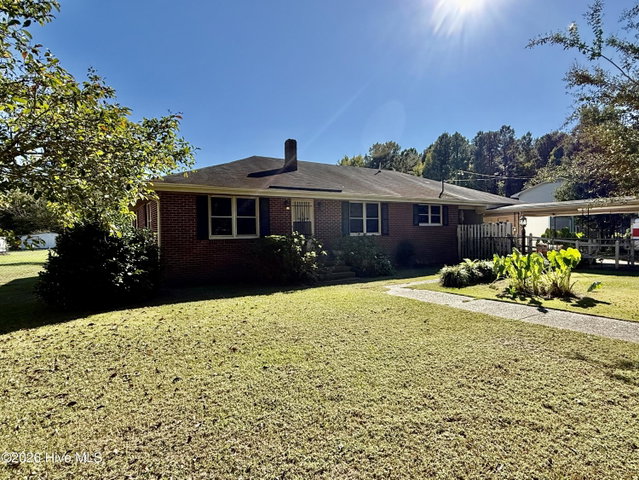
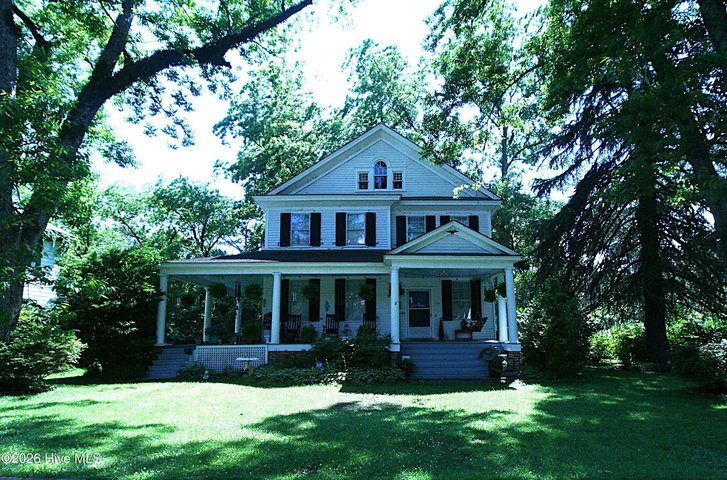
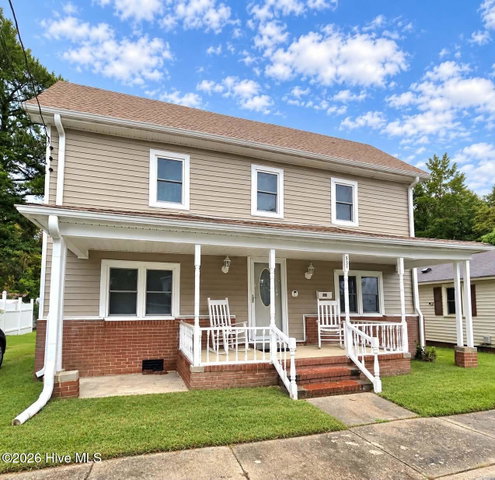
3 bd·2 ba·1,400 sq ft·0.40 ac
113 Golf Road, Plymouth, NC 27962
Year Built: 1939
 Free 3-page PDFWashington County Buyer FAQ
Browse
All Active ListingsEvery active Washington County listing, mappedSearch ListingsPrice, bedrooms, type and featuresPlymouthThe county seat and only real townRoper & CreswellThe south-county farm and lake beltMy Saved ListEverything you have heartedBy Category
WaterfrontRoanoke River and creek frontageHistoricInside the Plymouth Historic District and older stockLand & AcreageFarm, timber, and hunting tractsNew ConstructionNewly built homes, countywideUnder $100KThe bottom of a genuinely thin marketLotsResidential lots under 3 acresLandParcels of 3 acres or moreThinking of Selling?
Plymouth Market ReportLive inventory, median price, days on marketTrue Cost CalculatorTaxes, insurance, dues, upkeep and cash to closeThe Seller's BriefWhat it's worth, what it costs, how long it takesWhat It Costs to SellCommission, excise tax, fees, payoff — the real arithmeticBuyer MatchRegister your property against active buyer profilesWhat's a Buyer's Brief? A free, plain-English guide to buying here: the real costs, the rules and the trade-offs, written by a working broker.
The Plymouth Buyer's Brief
1. The Plymouth ThesisRiver-Town Value on the Roanoke2. The Roanoke River EconomyStripers, Paddle Platforms & Bear Tourism3. The Mill QuestionLiving With the Domtar Plymouth Mill — Straight TalkAll 8 chapters →Waterfront for a Working Budget
Financing OverviewHow the money actually works on a Roanoke River purchaseWashington County, NC
Pre-1960 homes concentrated in Plymouth's National Register historic district — listed in 1991.
The Brief · New listings by email
A short email when something new fits. No account to make, and one click stops it.
You're on the list. The next new historic listing in Washington County comes to your inbox.
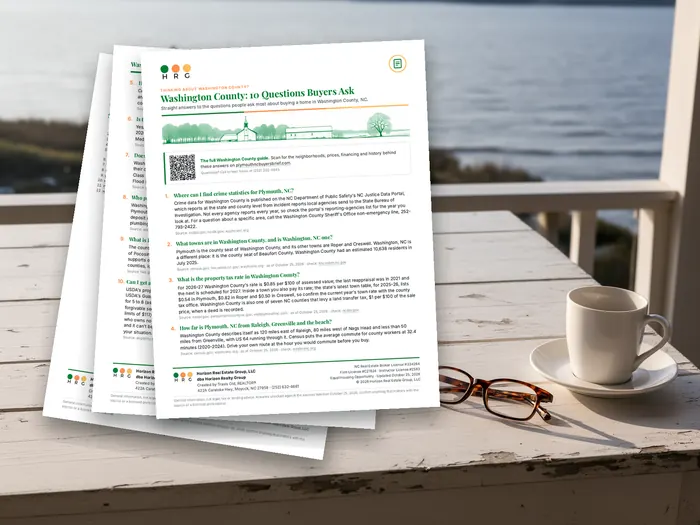
Free handout · 22 sources
Taxes, flood zones, utilities and more, each answer sourced and dated October 25, 2026.
Nothing matches that filter right now.
Inventory in this category turns over quickly — try another filter, or see everything currently active.
Pre-1960 homes concentrated in Plymouth's National Register historic district — listed in 1991 — and the town's older in-town blocks, with scattered older stock elsewhere in the county. Year built, architectural style, and condition details surfaced directly from MLS data. Plymouth's flat terrain and high water table make condition the real question on stock this age — a walkthrough and a full inspection stack matter more here than usual.
Want more targeted matches?
Tell me a bit about what you're looking for — 30 seconds, totally optional.
Got it — thanks.