
Plymouth Smells Like River Mud and Blackberries

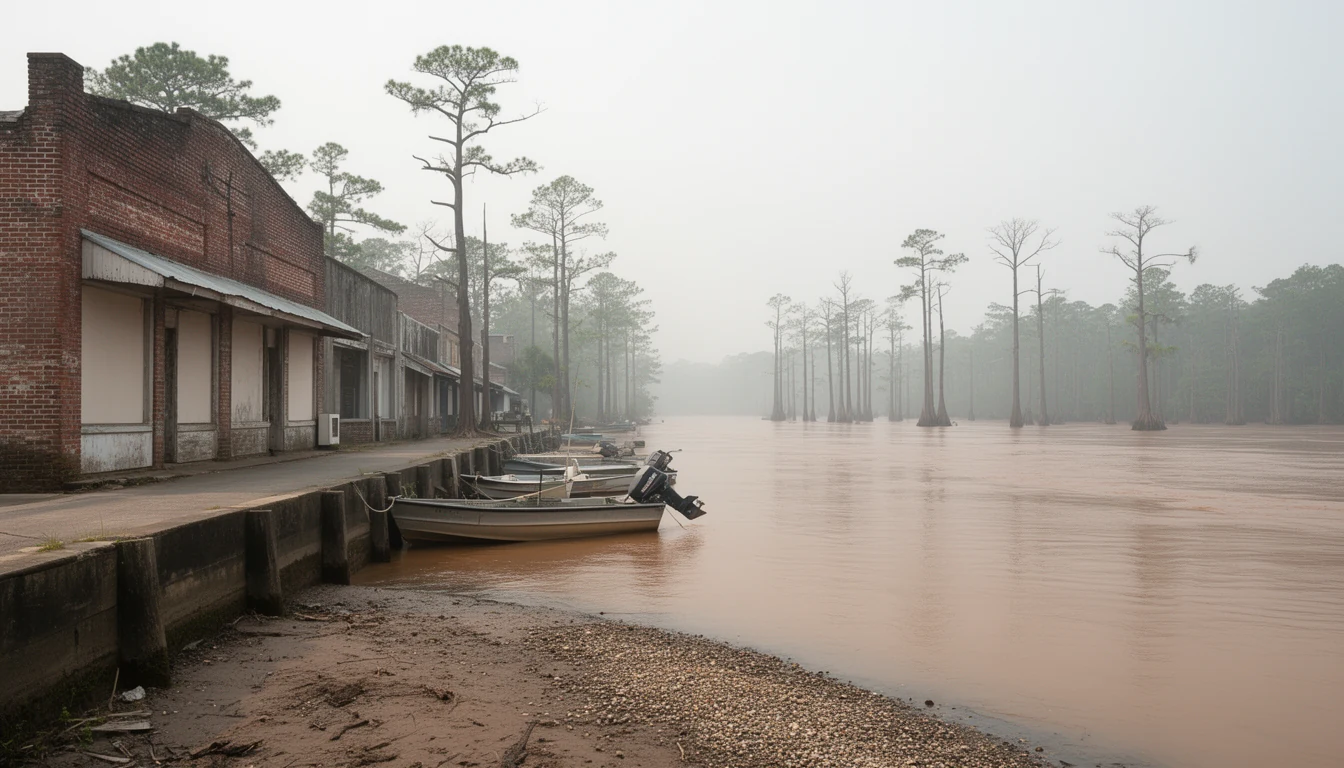
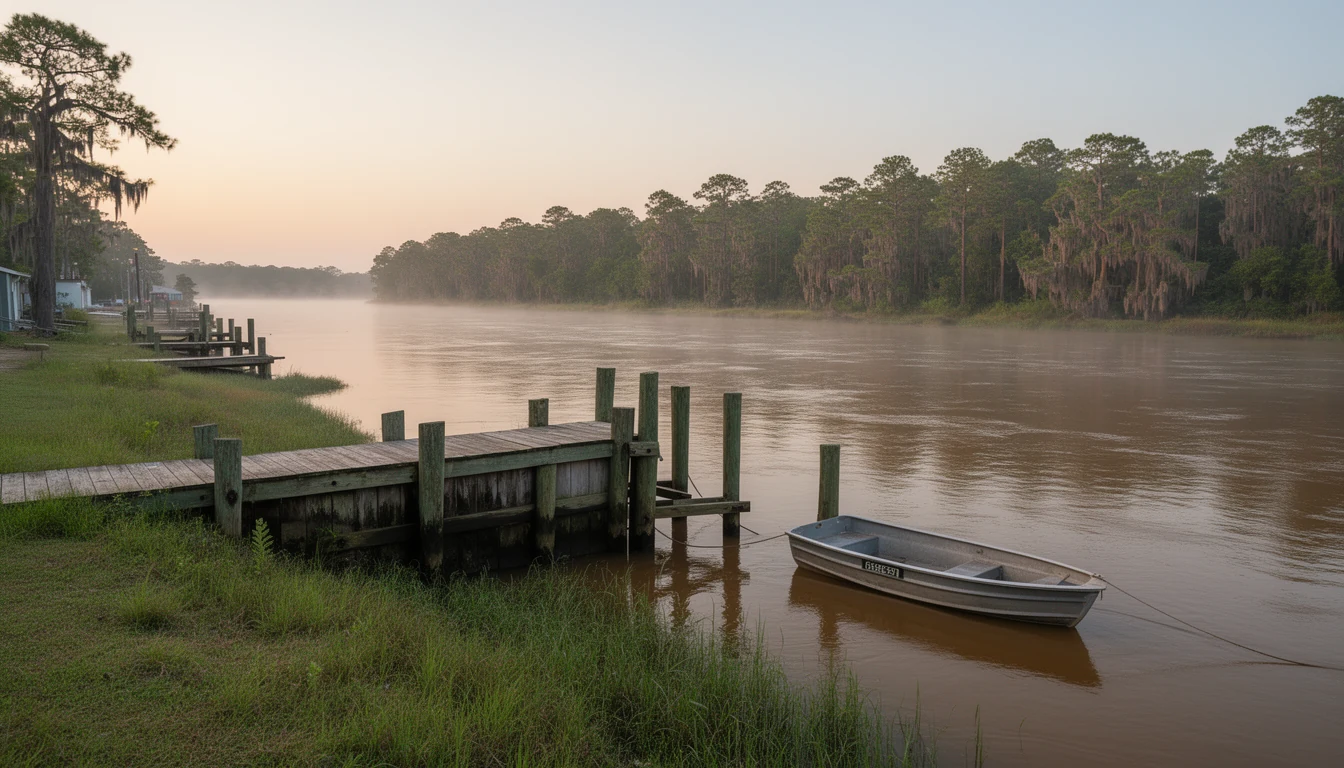
On a June Saturday, Water Street smells like river mud, outboard exhaust, and blackberry cobbler. You hear a truck idling near the Port o’ Plymouth Museum and a jon boat knocking against the bulkhead. The Roanoke River is right there, wide and brown, moving slower than you expect.
Why the museum is here
The river is why Plymouth exists, and the 1864 Battle of Plymouth is why the museum does. Step inside and you’ll get the CSS Albemarle story without a lot of polish. You don’t need to be a Civil War buff to understand why the town keeps that history close. The same water that carried gunboats now carries crab pots and bass boats.
The pocosin past the last stoplight
Drive out of town toward the pocosin and the land changes fast. Pocosin Lakes National Wildlife Refuge is a short haul from Plymouth, and in winter you’ll hear snow geese before you see them, a racket coming over black water and peat. The air smells like wet leaves and smoke from a prescribed burn. It’s not a manicured park. It’s a big, soggy, wild place, and locals use it for hunting, birding, and getting away from the truck traffic on 64.
What you trade for the river
The trade-off is distance and convenience. Plymouth has the basics, but a serious grocery run, a Target, or a decent Thai dinner means Washington or Greenville. You’ll drive for it, especially after the river floods low spots and you have to reroute. That’s the bargain. You get a river that still smells like river, a museum that tells a hard story, and winter evenings when the sky over the pocosin goes pink and loud with swans. For some people, that’s enough. For others, it’s a dealbreaker. Spend a weekend here before you decide which one you are.
Keep reading
7 Questions for Washington County Timberland Buyers
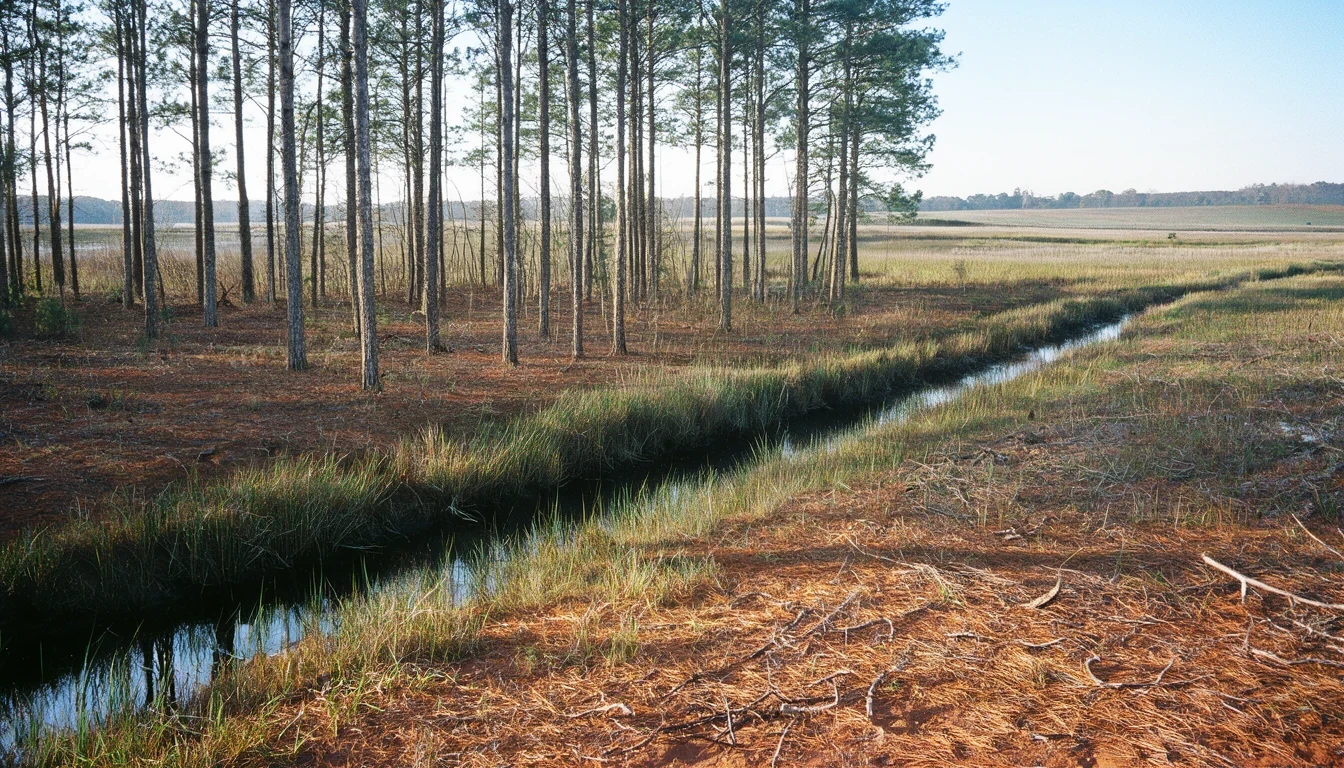
Seven questions to settle before you buy timberland in Washington County, NC: the management plan, present-use value, the cruise, the soils, and access.
Plymouth Utilities: Two Water Systems, One Town Line
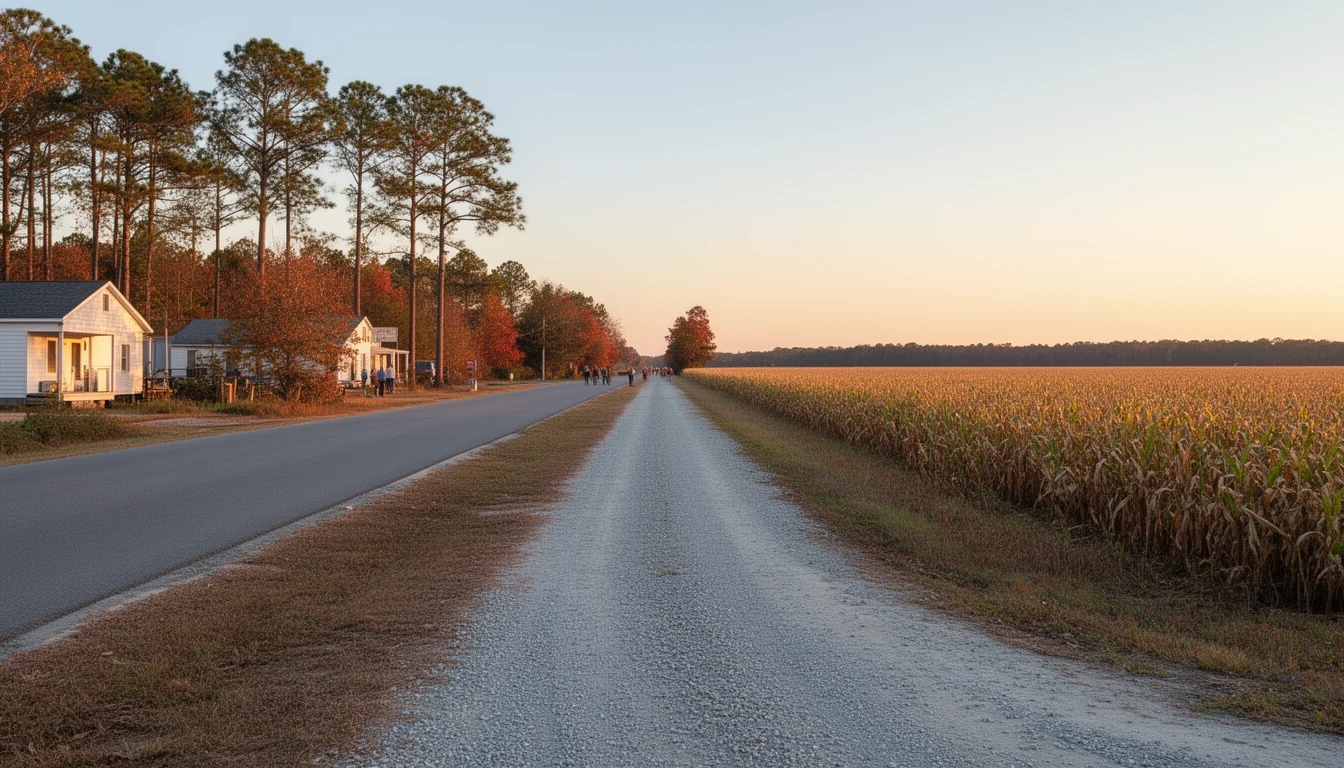
In Plymouth, town and county water come from different systems. What changes at the town line for water, sewer, power, and internet, and what it costs.
10 Questions Before Buying Riverfront on the Roanoke
Ten questions to settle before you buy Roanoke River frontage near Plymouth, NC: flood zone, elevation certificate, dock permits, septic, and insurance.