
How to Buy in a Thin Market Like Washington County

In this post
Washington County had 11,003 people at the 2020 census, spread across three small towns and a lot of farmland. A county that size doesn’t produce many home sales in a given year, and that single fact — thinness — shapes every part of how you should buy here. Buyers arriving from hotter, deeper markets consistently misread it in both directions: they either treat every listing as desperate, or they import big-city urgency into a market that punishes it. Here’s how thin-market buying actually works.
Inventory: the market doesn’t restock on your schedule
In a deep market, if you miss a house, a similar one lists next month. Here, the house you want may be the only one of its kind available this year — and the next comparable one may not appear for a season or two. That cuts two ways. It means when the right property lists, you should be ready to act: pre-approved, flood-insurance question already framed, due-diligence checklist in hand. And it means most of the time, the right move is to wait, watch, and not talk yourself into an almost-right house because the inventory feels scarce. Scarcity is the permanent condition here, not a signal.
The practical tool is a standing search with someone local who sees everything as it lists — in a market this size, being a week late is often the whole game, and being patient the rest of the time costs you nothing.
Pricing: list prices are opinions with fewer witnesses
Thin markets produce few comparable sales, and the properties themselves — historic houses, riverfront, big rural tracts — vary enormously. That makes pricing more art than algorithm, in both directions. A list price here can be aspirational (a seller anchored to what a cousin’s house fetched somewhere else) or a genuine bargain (an estate that just wants it done). Neither is obvious from the listing. The only way to know is to look at what has actually sold, adjust honestly for the differences, and be willing to make an offer that respects the data rather than the asking number. Sellers in thin markets are often more negotiable than list prices suggest — long marketing times wear on people — but they can also simply wait, because carrying costs are low. Expect negotiations that move slower and swing wider than you’re used to.
Appraisals: plan for the gap conversation
When nothing comparable has sold recently, appraisers have little to work with, and a contract price can come in above the appraised value even when the price is defensible. On unique waterfront this is common enough that you should plan for it before it happens: talk to your lender about how an appraisal gap would be handled, know what you’d be willing to bring in cash, and structure the offer with that scenario in mind. An appraisal gap in a thin market is not automatically a sign you overpaid — but it is automatically a financing problem unless you’ve prepared for it.
Days on market: leverage, on loan
Properties sit here. That gives you negotiating room a hot-market buyer can only dream about — on price, on repairs, on terms — and North Carolina’s due-diligence structure is built to use it. Negotiate a real due-diligence period and actually work it: inspections, a firm flood-insurance quote for the actual address, repair negotiation. In a thin market you rarely need to shortcut diligence to look aggressive.
But remember you’re buying into the same dynamic. When you eventually sell, you should expect to wait too. Thin-market leverage is a loan, not a gift; you repay it at resale. The discipline that follows: buy things you’d be content to hold, at prices that make sense even if the market never deepens.
Patience is the strategy
Put together, thin-market buying looks like this: get fully ready before the right listing exists, move decisively when it does, negotiate patiently once you’re in contract, and never buy the almost-right house because you’re tired of waiting. The final chapter of the brief, Making the Decision, turns this into a concrete checklist and a 48-hour visit plan. Browse the current listings to see what the market is actually offering right now — and if the right property isn’t there yet, that’s normal. Call me and we’ll set up the watch.
Keep reading
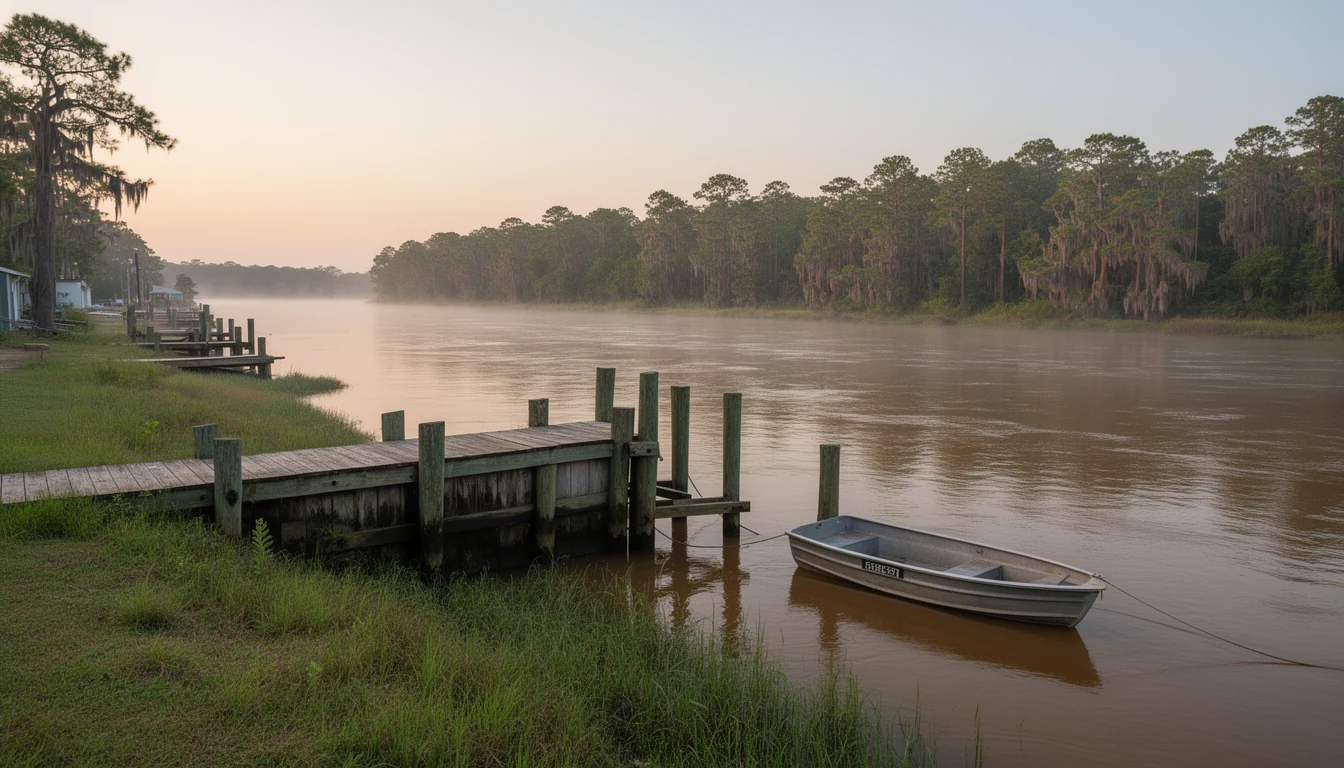
10 Questions Before Buying Riverfront on the Roanoke
Ten questions to settle before you buy Roanoke River frontage near Plymouth, NC: flood zone, elevation certificate, dock permits, septic, and insurance.

Washington County's Seat: Why Plymouth, Not Roper
How Washington County, NC got its shape: the 1799 split from Tyrrell, the county seat's move off Lee's Mill, and what the lines mean for buyers today.

7 Drive-Time Checks Before Buying in Plymouth, NC
Seven drives that decide what living in Plymouth costs you in road time, with every mile and minute routed on real roads in Washington County.